FANCY COLORED DIAMONDS
Discover the extraordinary world of fancy colored diamonds - nature's rarest and most captivating gemstones
THE RARITY OF COLOR
Less than 0.1% of all diamonds exhibit natural fancy colors. These extraordinary gems derive their hues from trace elements, structural anomalies, or radiation exposure during their formation deep within the Earth.
Each colored diamond tells a unique geological story, making them among the most sought-after and valuable gemstones in the world.
Discover the extraordinary world of fancy colored diamonds - nature's rarest and most captivating gemstones
SPECTRUM OF COLORS
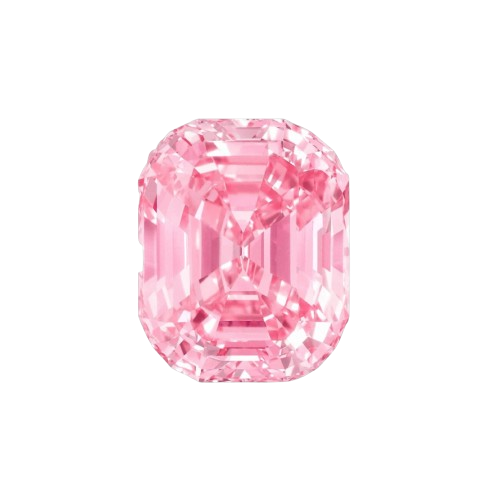
Pink
Rare and romantic, formed by plastic deformation
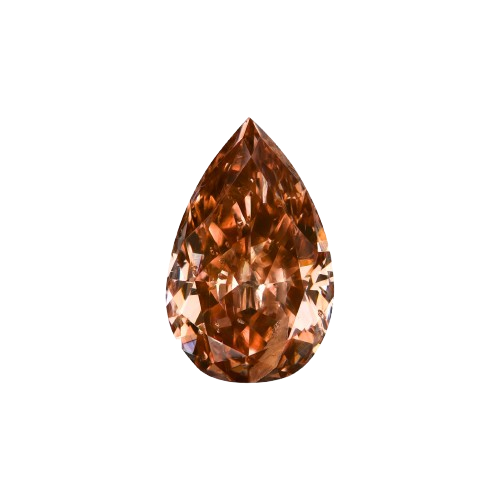
Blue
Caused by boron impurities, extremely valuable
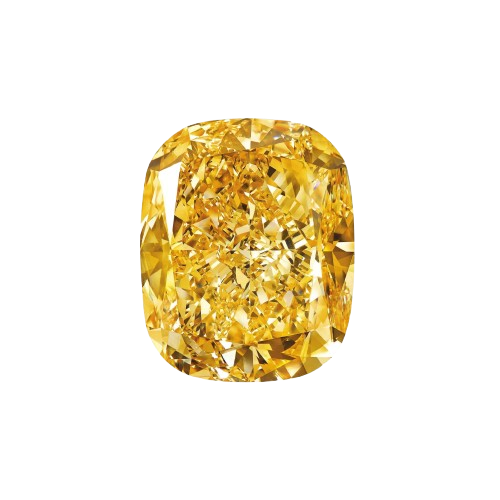
Yellow
Most common fancy color, caused by nitrogen
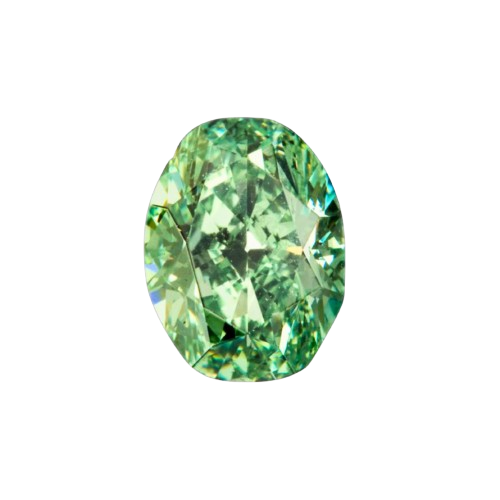
Green
Natural radiation exposure creates this color
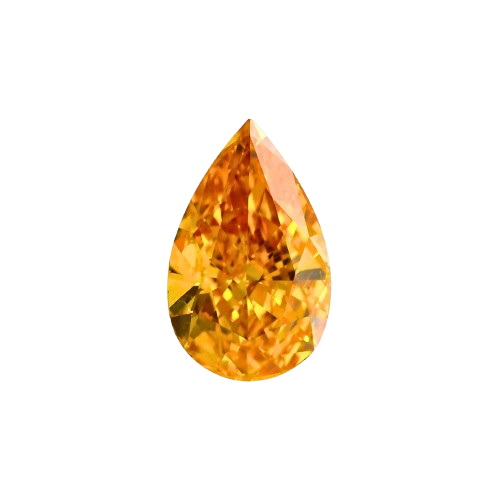
Orange
Combination of nitrogen and structural defects
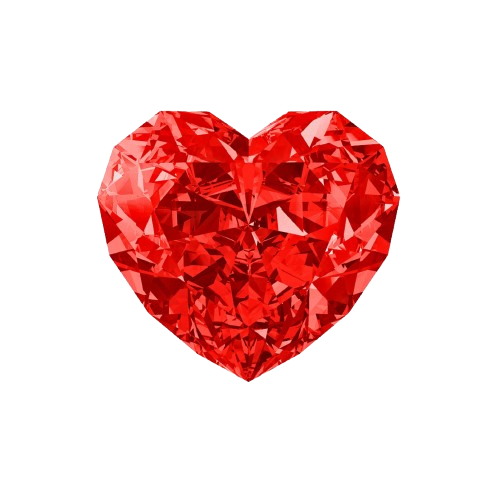
Red
Rarest of all diamond colors
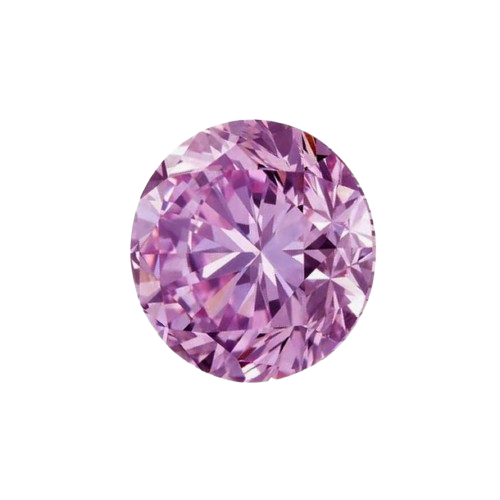
Purple
Caused by hydrogen and boron impurities
Brown
Also known as champagne or cognac diamonds
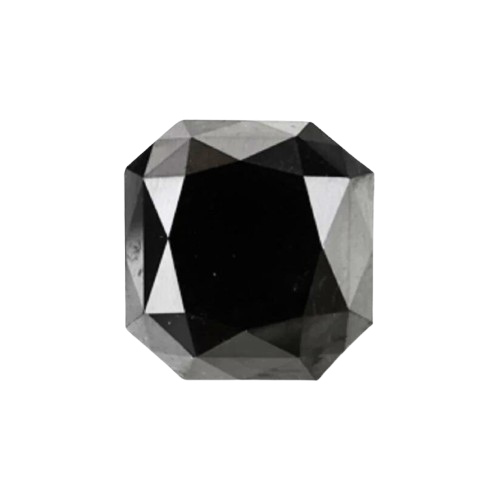
Black
Opaque diamonds with graphite inclusions
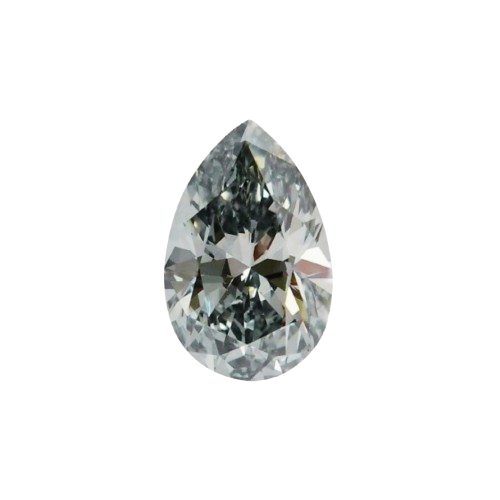
Gray
Subtle and sophisticated neutral tone
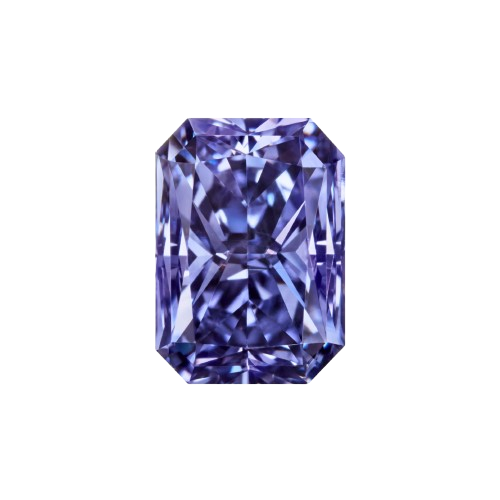
Violet
Rare purple-blue combination
White
Colorless diamonds with exceptional purity
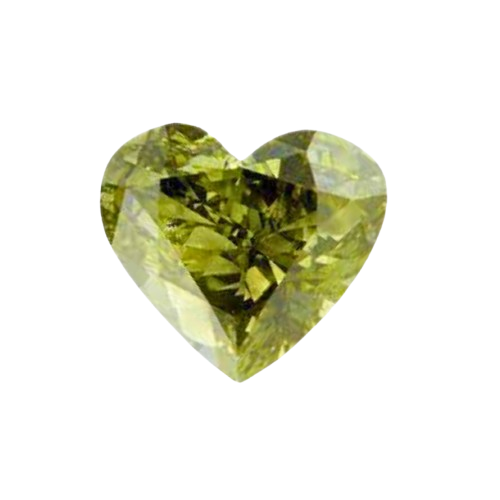
Olive
Unique greenish-yellow hue with earthy tones
COLOR INTENSITY GRADES
The intensity of color in fancy diamonds is graded on a scale that determines their rarity and value.
Faint
Barely perceptible color
Very Light
Subtle color presence
Light
Noticeable but light color
Fancy Light
Clear color visibility
Fancy
Good color saturation
Fancy Intense
Strong color saturation
Fancy Vivid
Maximum color saturation
Fancy Deep
Deep, rich color tone
FORMATION
How Colors Form
Trace Elements
Boron creates blue, nitrogen produces yellow, and hydrogen can cause purple hues.
Structural Defects
Plastic deformation during formation creates pink and red diamonds.
Natural Radiation
Exposure to radioactive elements over millions of years creates green diamonds.
INVESTMENT POTENTIAL
Fancy colored diamonds have shown remarkable appreciation in value, often outperforming traditional investments.
Average appreciation over 10 years for top-grade pink diamonds
Supply with major mines like Argyle permanently closed
Global demand from collectors and investors